
Resources
Stone Veneer vs Stucco in Florida
Stucco is cheaper on day one. Here's what each one costs across twenty years of Miami sun, salt, and storms.
By Miami Stone Veneer Specialists · Updated July 16, 2026
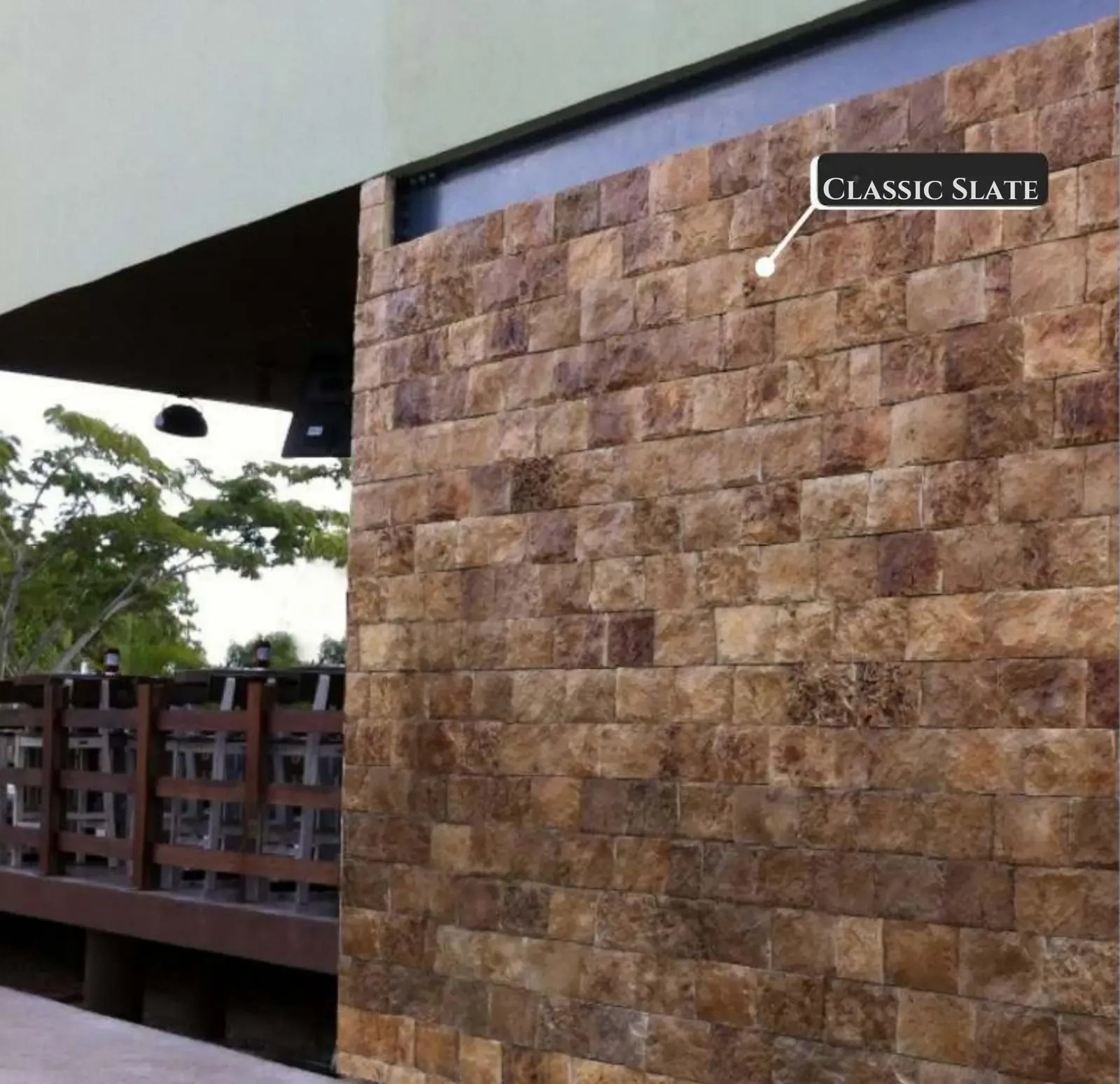
South Florida is a stucco region. It's cheap, fast, and it's on most of the housing stock. Miami Stone Veneer Specialists sells stone, so treat what follows accordingly — but we've also tried to be straight about where stucco wins.
The verdict up front
Stucco wins on upfront cost and nothing else. Stone wins on lifespan, maintenance, cracking, and resale. And for most houses the right answer is both — stucco on the bulk of the elevation, stone where people actually look.
Cost on day one
| Stucco | Manufactured stone | |
|---|---|---|
| Installed per sq ft | $7 – $12 | $22 – $38 |
| 1,000 sq ft elevation | $7,000 – $12,000 | $22,000 – $38,000 |
| Install time | Days | 1 – 2 weeks |
Stucco is roughly a third of the price. That's a real advantage and it's why the region is covered in it.
Cost over twenty years
This is where it changes. Painted stucco in Miami needs recoating every seven to ten years — UV chalks the paint, hairline cracks open, and the whole envelope gets pressure-cleaned and repainted.
| 20-year cost, 1,000 sq ft | Stucco | Stone |
|---|---|---|
| Initial | $9,500 | $30,000 |
| Recoats (2 × $5,500) | $11,000 | — |
| Crack repair | $2,000 | — |
| Sealing (2 × $1,500) | — | $3,000 |
| Total | $22,500 | $33,000 |
Stone is still more expensive at twenty years — but the gap has closed from 3× to about 1.5×, and at thirty years they cross over. Add the resale premium and the honest conclusion is that stone is not the extravagance it looks like on day one.
How each handles Florida
- Cracking. Stucco is monolithic over a moving building, so hairline cracks are normal. Stone is many pieces with mortar joints that absorb movement.
- Moisture. Both need a proper drainage plane. Stucco failures here are common and expensive because water gets trapped behind a continuous surface. Stone as a rain screen drains more readily — when detailed right.
- Salt. Stucco near the coast needs repainting more often. Pale stone hides mineral bloom almost completely.
- Impact. Storm debris chips stucco and it shows as a bright patch. Chip a through-coloured stone and the break matches the face.
Why most houses should use both
Cladding a whole house in stone is a $30,000 to $40,000 decision that most people don't need to make.
The entry, the portico, columns, and the lower front elevation account for maybe 20% of the surface area and nearly all of the visual impact. Stone there, stucco elsewhere, gets you most of the benefit for a fraction of the cost — and it's what we'd recommend to a member of our own family.
If you're going that route, read entryways next — it's where the return concentrates.