
Resources
Stone Veneer for Florida Homes
A product that performs beautifully in Denver can fail in Homestead. Here's what this climate changes about the specification.
By Miami Stone Veneer Specialists · Updated July 8, 2026
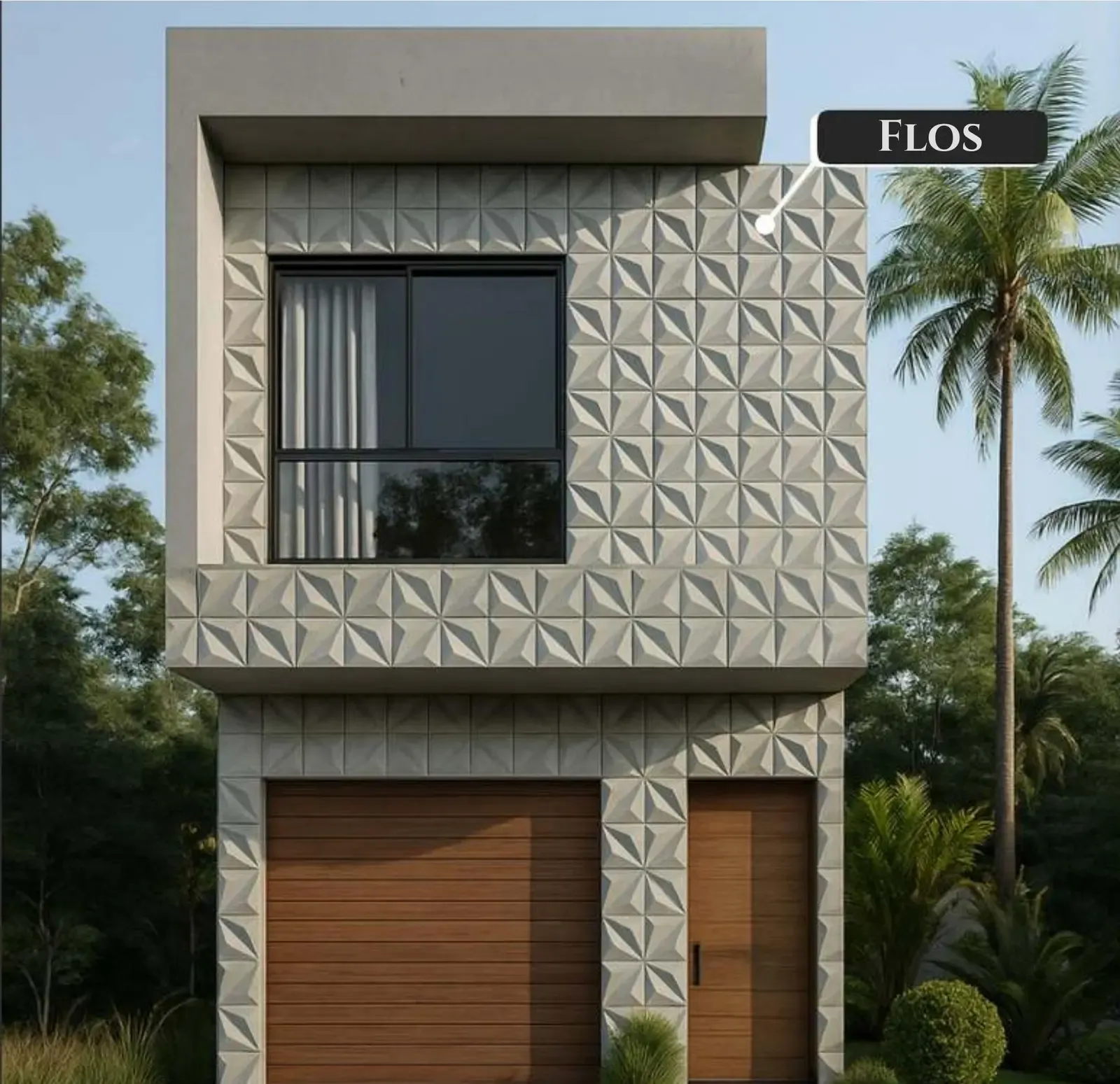
Most stone veneer guidance online is written for a freeze-thaw climate. Miami Stone Veneer Specialists has never once been called out to a freeze-thaw failure in Miami-Dade. The things that actually go wrong here are different.
Why Florida is its own specification
Four factors drive everything: humidity that rarely drops, UV that's punishing from March to October, wind-driven rain in hurricane season, and a termite population that treats framed construction as a buffet.
Humidity and the drainage plane
This is the big one. Nearly every veneer failure we're called to inspect comes down to water behind the stone that couldn't get out.
Stone veneer is a rain screen, not a waterproof membrane. Water gets behind it — that's expected and normal. The wall has to be built so it drains and dries.
On framed construction that means two layers: a weather-resistive barrier and a genuine drainage gap, then lath fastened into framing. Single-layer installs are common, cheaper, and the reason a wall fails in year six.
Then the sealer. Use a breathable penetrating sealer. Film-forming sealers look great for two years, trap vapour trying to escape through the wall, and then blow off in sheets taking surface with them.
UV and colour
A west-facing Miami elevation takes six hours of direct sun daily for most of the year. Surface-pigmented product chalks and goes patchy.
Through-coloured stone — pigment mixed into the body, not sprayed on — doesn't have this problem. It's also why a chipped corner still looks like stone instead of showing grey concrete. Ask any supplier whether the colour is through-body. If they hesitate, walk.
Hurricane code and wind
Adhered veneer is accepted across Miami-Dade and Broward. The stone isn't the engineered element — the wall behind it is, and that's what gets permitted.
What does matter is flashing. Hurricane-season rain arrives horizontally at 60 mph, which drives water into junctions that would never see moisture in a calm climate. Head flashing over every opening, and a weep at the base of the wall. Non-negotiable here in a way it isn't elsewhere.
Termites
The stone is concrete, so termites ignore it. The danger is what's behind it.
Clad a timber-framed outdoor kitchen or garden structure in stone and seal it up, and you've built a dark, humid, protected timber box. We've seen islands that looked perfect collapse when someone leaned on the counter.
Build outdoor structures in concrete block or steel stud with cement board. Never wood. See outdoor kitchens.
The Florida checklist
- Through-body colour, not surface pigment
- Two-layer drainage plane on any framed wall
- Lath fastened into structure, not just sheathing
- Head flashing at every opening, weeps at the base
- Breathable penetrating sealer, never film-forming
- Block or steel framing on outdoor structures
- Pale colours within a mile of salt water
Get those seven right and the wall will outlast the mortgage. Miss the third or the fifth and you'll be dealing with it inside a decade.