
Resources
How to Clean Manufactured Stone
Pressure washers and acid wash are the two fastest ways to destroy a good stone wall. Here's what to use instead.
By Miami Stone Veneer Specialists · Updated June 28, 2026
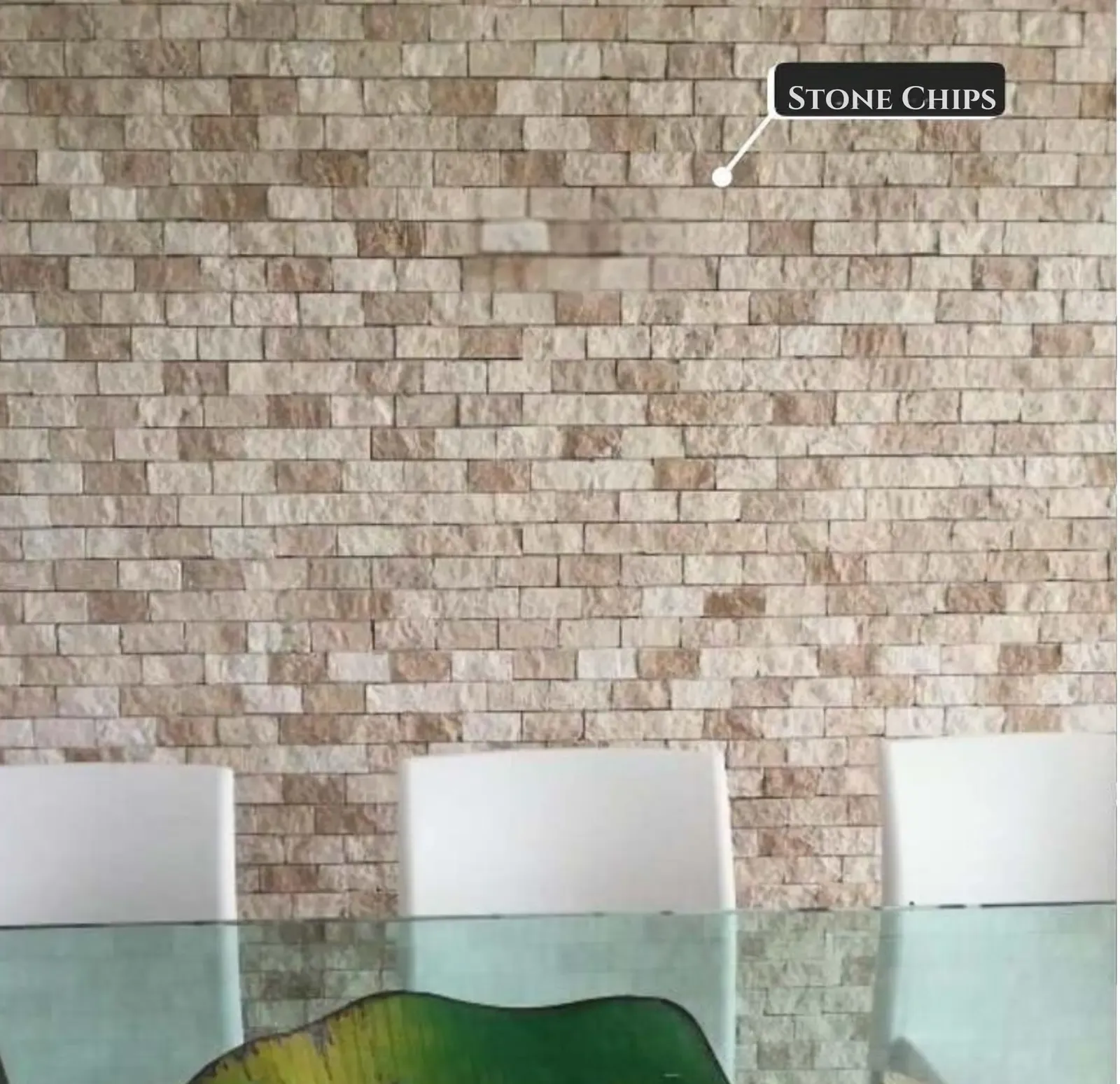
Miami Stone Veneer Specialists gets called out to walls that have been "cleaned" more often than to walls that are dirty. The damage is nearly always from equipment or chemicals that were too aggressive.
The method that works
- Dry brush first. Soft-bristle brush, top to bottom. Removes dust, cobwebs, and a surprising amount of surface deposit before water is involved.
- Wet with a garden hose. Plain water, low pressure, working downward.
- Brush with water. For most walls this is where you stop.
- If needed, a neutral pH masonry cleaner. Diluted as directed, applied with the brush, left a few minutes, not allowed to dry on the surface.
- Rinse thoroughly, top to bottom. Residue left behind attracts more dirt than it removed.
Do it on an overcast day or in the morning. Cleaner drying on hot stone before you rinse leaves streaks that are harder to remove than the original problem.
The two products that ruin walls
Pressure washers. A stone wall is a rain screen with an air gap and a drainage plane behind it. A pressure washer injects water through the joints into that cavity at a rate it can't drain. It also strips sealer and can blow out mortar joints outright. There is no version of this that's a good idea on veneer.
Acid — muriatic, vinegar, or "brick cleaner". Acid dissolves cement. Manufactured stone is cement. It etches the face, opens the pores, dulls the colour, and makes the wall dirty faster afterwards. It's usually reached for to remove efflorescence, which it treats by damaging the surface the efflorescence sits on.
Specific problems
Efflorescence — white chalky deposit, often streaking below joints. Dry brush it; much comes away. If it recurs, the stain isn't the problem — water is moving through the wall and you need to find out where from. See the moisture article.
Salt bloom — coastal walls. Fresh water rinse, twice a year. That's the whole treatment. Resist doing more.
Algae and green staining — shaded north elevations and anywhere irrigation hits the wall. Fix the cause first: redirect sprinklers, cut back planting for airflow. Then clean with a masonry-safe biocide, not bleach, which damages joints.
Grease — outdoor kitchens. Masonry degreaser applied to the stain, not the whole wall. On unsealed stone it's often permanent, which is why sealing before the first cookout matters so much.
Rust staining — usually from a corroding fixing or a nearby metal fitting. Use a proprietary rust remover for masonry and, more importantly, deal with the metal. The stain will keep coming back otherwise.