
Commercial
Retail Store Cladding
Retail runs on tight programmes. Modular formats a crew can install fast, in quantities that repeat across sites.
Retail is a schedule business. Miami Stone Veneer Specialists gets called when a fit-out has six weeks and a landlord penalty clause, and the question is never "what's the most beautiful stone" — it's "what can you deliver Thursday that a crew can put up fast."
Modular beats characterful
On a residential facade, irregular formats and random coursing look better. On a retail programme they cost you days. Every irregular piece is a decision an installer has to make, and decisions are time.
Galarza is the range we push here. Every format sits on a shared module, so coursing is fast and predictable, and a crew that's done one store is faster on the next. Across ten sites that compounds into real money.
Storefront versus interior
Put the durable spend outside. A storefront elevation is permanent, weathers, and is the thing customers see before they decide to come in. It justifies stone or a lattice screen.
Interiors on a three-year refresh cycle are a different calculation. Clad the perimeter and the till wall — the surfaces that won't move — and keep the fixtures and changeable zones in materials that come out easily. Cladding a wall you'll demolish in thirty months is money set on fire.
Rollouts
For multi-site programmes, three things matter and none of them are aesthetic:
- One batch, reserved, so store nine matches store one.
- A fixed piece-count spec per store, so ordering is a copy-paste.
- Delivery staged against the construction programme, not all at once into a unit with nowhere to store it.
Send us the programme and the store count and we'll build the schedule around it.
What it costs
$9 to $20 per square foot depending on range, with volume pricing on rollouts. A typical storefront elevation is 200 to 500 square feet. Tell us the site count and we'll price the whole programme rather than the first store.
Products specified for this
Stacked Stone
The most-specified profile we sell. Long, low courses that read as a clean horizontal band — the look behind most modern Miami feature walls and outdoor kitchen islands.
View details →Galarza
Our most geometric range. Six square and rectangular formats on a common module, so you can shift scale across a facade without changing material.
View details →3D Wall Panels
Concrete panels that do the work light usually does. Fifteen relief patterns that tile seamlessly, from barely-there texture to deep architectural shadow.
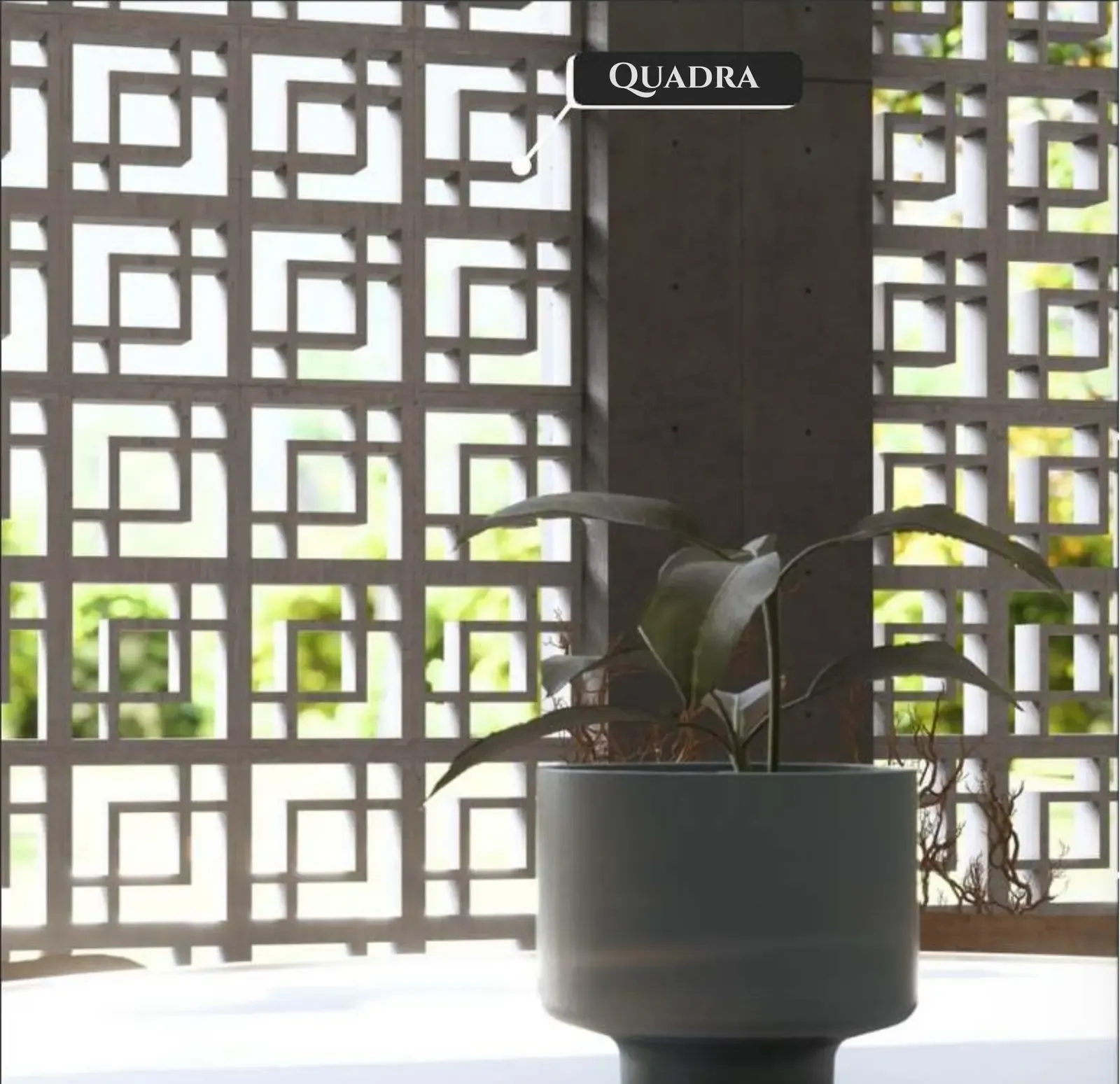
View details →Concrete Lattices
Breeze block is back, and Miami is where it belongs. Twenty-four patterns that filter sun, move air, and give a wall a shadow that changes all day.
View details →Related applications
Commercial Facades
Commercial work runs on submittals and delivery dates. We supply to schedule, with samples and spec sheets your architect can drop straight into the package.
View details →Restaurant Walls
Restaurant walls take a beating and get photographed constantly. These are the finishes that survive both.
View details →Feature Walls
When the wall is the point. Deep-relief panels, lattice screens, and large-format stone specified for maximum effect.
View details →Worth reading first
Stone Veneer Cost in Miami
Material, labour, prep, and sealer — broken out separately so you can see where the money actually goes.
View details →How to Choose Stone Veneer
Most people start with colour. That's the fourth decision, not the first. Here's the right order.
View details →Best Exterior Wall Finish
Five finishes, one climate, twenty-year view. The ranking surprises most people.
View details →Common questions
How fast can a retail fit-out get material? +
Stocked collections ship within a few days. Anything custom or non-stock is four to six weeks. For a rollout across multiple stores, tell us the programme upfront and we'll reserve stock against it rather than pressing each time.
Can you supply the same spec to stores in other cities? +
Within Florida easily. Beyond that we freight, which works but adds cost and time. For a national rollout the sensible approach is one batch shipped to a central point, then distributed.
What survives a shopfit being changed every three years? +
Nothing survives demolition. If the brand refreshes on a short cycle, put the stone where it won't move — the storefront and the perimeter — and keep the changeable zones in cheaper, faster finishes.
Is lattice a good storefront material? +
It's excellent for it. A lattice screen gives you visual interest and partial screening while letting light through, which suits a storefront that needs presence without blocking the window entirely.
Talk to us about retail stores
Samples, take-offs, and pricing for projects across Miami and South Florida.